
Press

Strong Towns
When Fixing Property Taxes Just Adds Another Tax
A New York condo sold for $238 million but was assessed at $15.5 million. On Strong Towns’ Upzoned, Chuck Marohn talks with Lars Doucet of the Center for Land Economics and Joe Minicozzi of Urban Three about Mayor Zohran Mamdani’s proposed pied-à-terre tax — and why classifications, assessment caps, and decades of special rules already shift the burden off the highest-value properties, so layering on another tax makes the underlying system harder to fix rather than fairer.

Building Better Cities
The Holy Grail of Urbanism: Land Value Tax with Greg Miller
Greg Miller of the Center for Land Economics joins host Kate Gasparro on Building Better Cities to argue that the biggest obstacle to housing and sustainable development isn't zoning or financing—it's how we tax land. The conversation runs from Henry George and the economics of land speculation to Pittsburgh's split-rate experiment, CLE's Spokane analysis, and using land value capture to help fund projects like New York's Interborough Express.
Streetsblog NYC
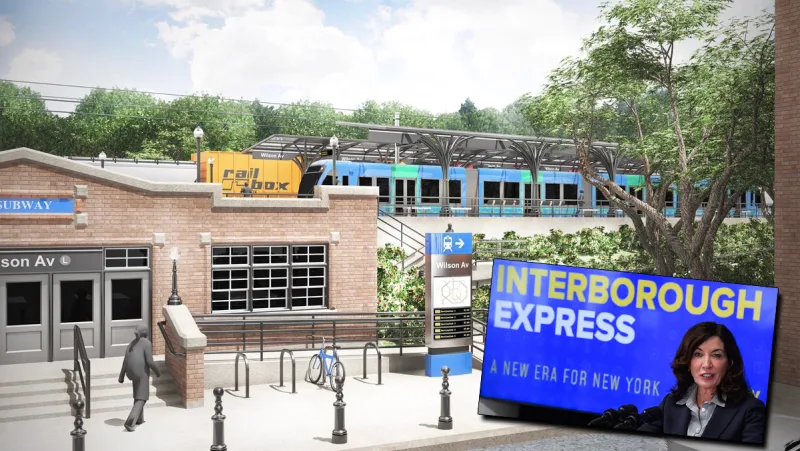
By George! Could A ‘Land Value Tax’ Fund The Interborough Express?
Streetsblog’s Dave Colon explores using a land value tax to help fund the Interborough Express, quoting Greg Miller of the Center for Land Economics on capturing the land value the new line creates: “That doubling of value that your land value just went through, you did nothing to do, and if the city doesn’t take 100 percent then you are still gaining money on your wealth.”
Ohio Capital Journal
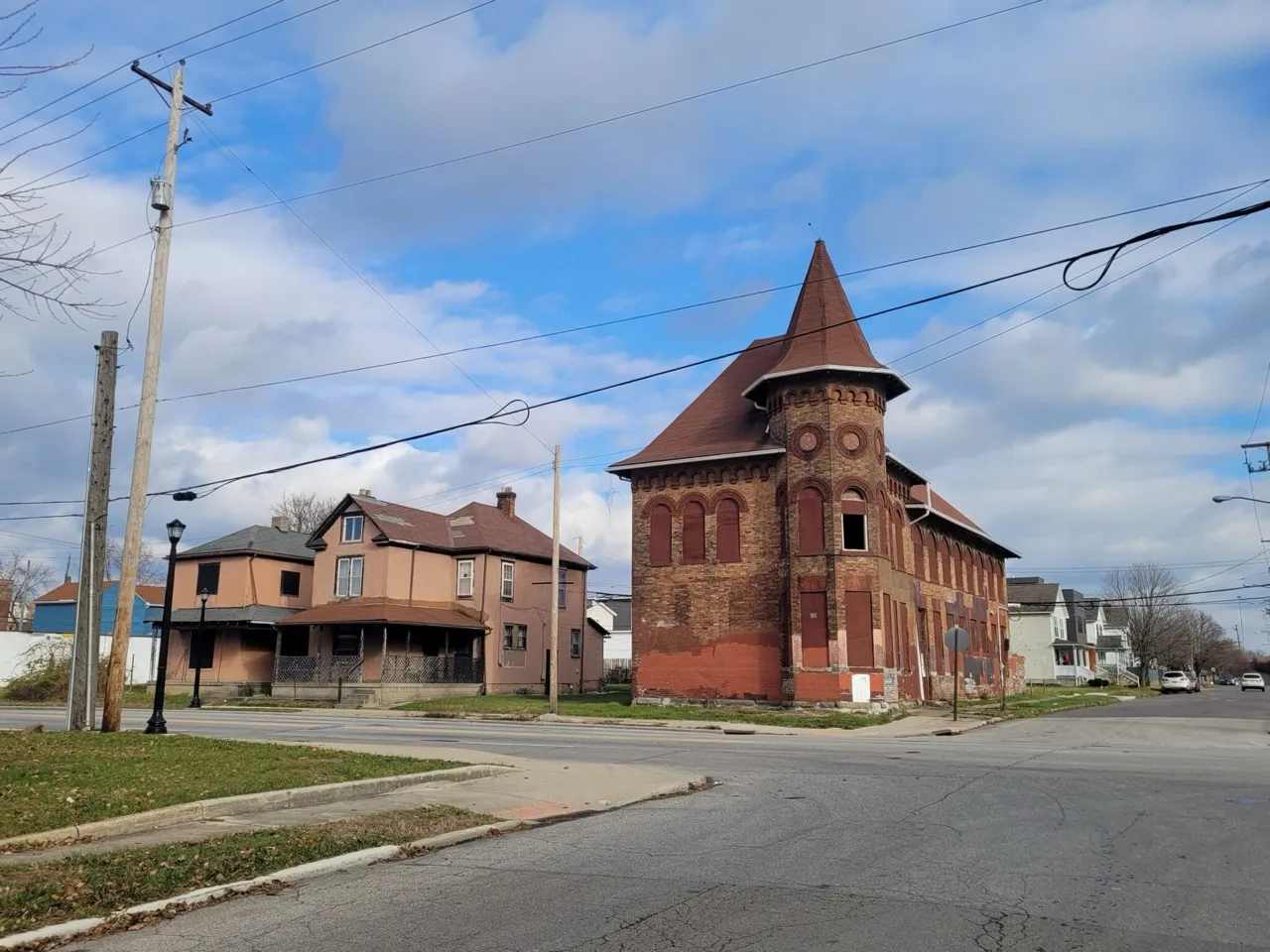
Tax change would spur Ohio development — and help low-income families most, new study says
The Ohio Capital Journal covers the Cincinnati land value tax study from the Center for Land Economics and the University of Notre Dame's Student Policy Network, which found the lowest-income neighborhoods would see median property tax cuts near 17%. Ohio state Sen. Louis Blessing III points to the report as evidence for his proposed constitutional amendment letting Ohio communities opt into a land value tax.
WVXU
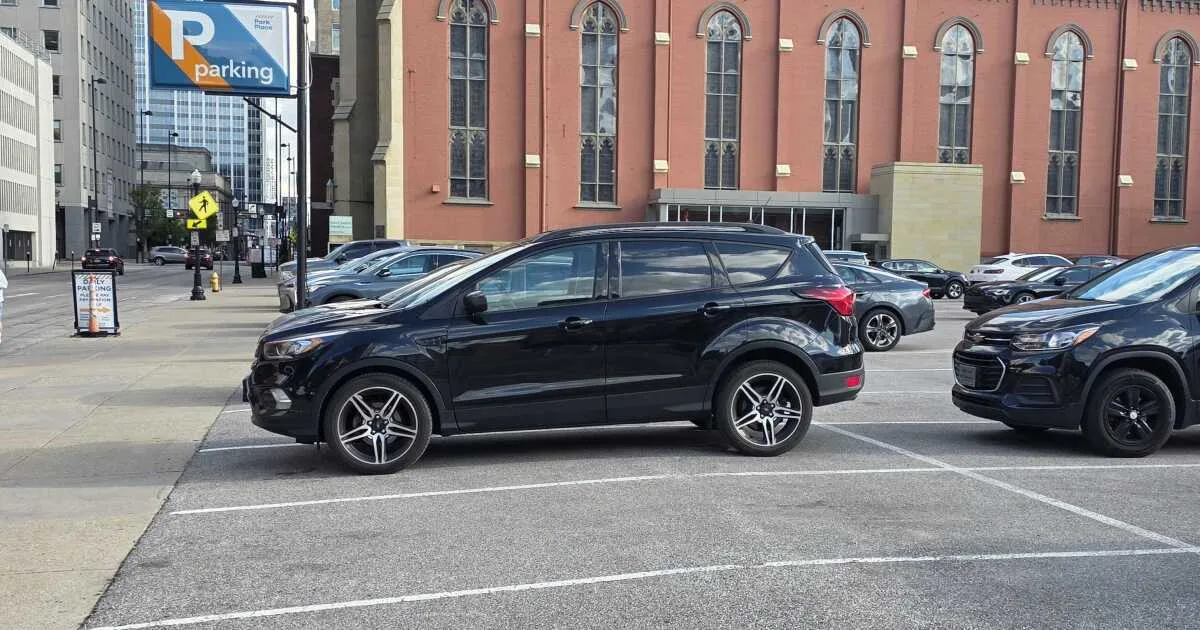
What would a land value tax mean for Cincinnati residents?
WVXU covers a new report from the Center for Land Economics and the University of Notre Dame's Student Policy Network proposing a split-rate property tax for Cincinnati—raising taxes on vacant and underdeveloped land while cutting them on buildings, saving lower-income homeowners roughly 17% without losing city revenue. “The current winners of our property tax system, which taxes buildings and land together, are the people who build less, particularly the vacant landowner,” Greg Miller tells WVXU.
Realtor
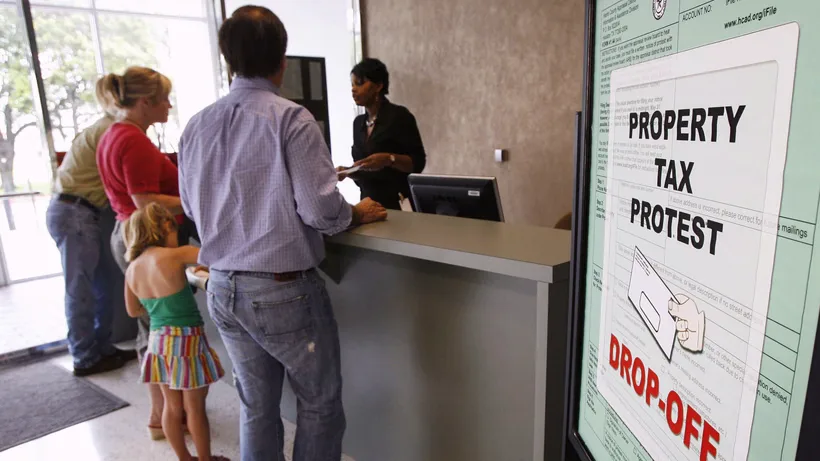
America Is Running Short of Property Tax Assessors—and a Video Game Developer Has Ideas
Realtor.com talks with Lars Doucet of the Center for Land Economics—the video-game developer turned land-economics researcher—about the growing shortage of property tax assessors and how open-source valuation tools could help understaffed offices value land more accurately and fairly.

Volts
Want less sprawl and more urban infill? Try a land value tax!
Greg Miller of the Center for Land Economics joins David Roberts on Volts, alongside Spokane City Council member Kitty Klitzke, to explain how shifting property taxes off buildings and onto land curbs speculation, discourages sprawl, and rewards urban infill—and why the idea is winning cross-partisan support from Virginia to Kentucky.
San Francisco Chronicle
California wants to tax billionaires' wealth. Here's a better target: Their land
Greg Miller and Lars Doucet of the Center for Land Economics argue in the San Francisco Chronicle that California's proposed billionaire wealth tax can't fix the state's budget instability—billionaires can flee, but land can't. Drawing on a new CLE report valuing the state's land at $8.14 trillion, they show a land value tax of just 0.2% would raise the same $20 billion the wealth tax promises.
Strong Towns
What's the Housing Crisis Beneath the Housing Crisis?
Lars Doucet joins The Strong Towns Podcast to dig beneath the housing crisis to the land crisis underneath it—connecting Monopoly's Georgist origins to land value taxes, Henry George, and the question of who captures the value a place creates.
Spokesman Review
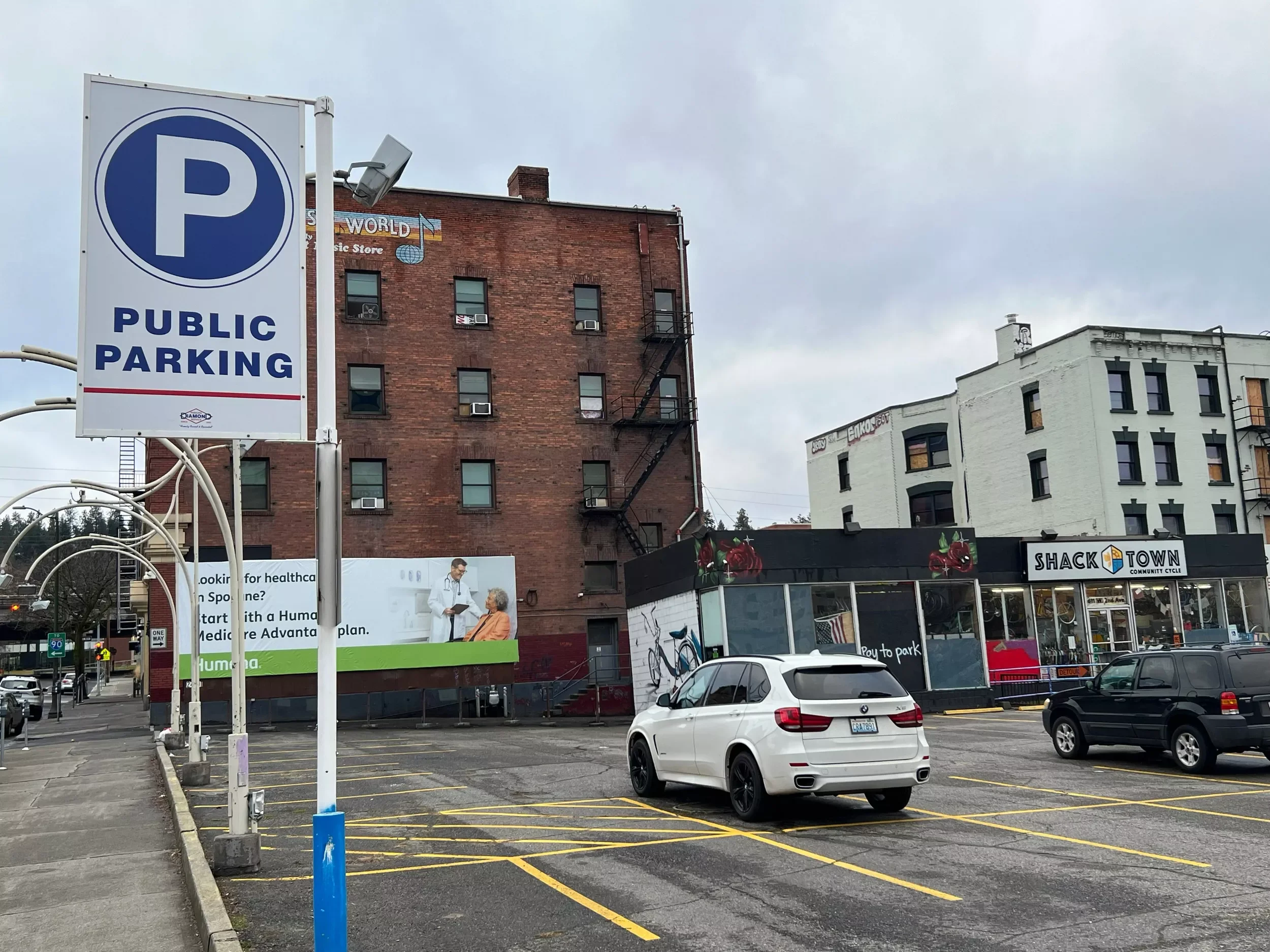
Most Spokane homeowners would pay less tax under reform proposal. Here's who would pay more
The Spokesman-Review breaks down a Center for Land Economics analysis of Spokane's split-rate proposal: the median single-family homeowner would save about 4%, while taxes on vacant land and surface parking lots would more than double.

Sightline Institute
Yes, a Land Value Tax Is Possible in Washington State
Sightline Institute covers the Center for Land Economics' new report showing how Spokane could adopt a building exemption that delivers the effects of a land value tax while complying with Washington's constitution—discouraging vacant-land speculation while encouraging new housing.

UCLA Housing Voice
Land Value Tax Would Fix This with Lars Doucet
UCLA Housing Voice hosts Lars Doucet for a primer on land value taxes, why they are incentive-aligned housing policy, and how land value return can move from theory into practice.

Die Zeit
»When Houses Become Cheaper Again, That's Not a Happy Ending«
Lars Doucet of the Center for Land Economics is interviewed in Die Zeit, one of Germany's most prominent weekly newspapers, on why the housing market is fundamentally broken, how the property ladder has calcified into a form of neo-feudalism, and why a land value tax is the reform that targets speculation without punishing construction.
Shelterforce
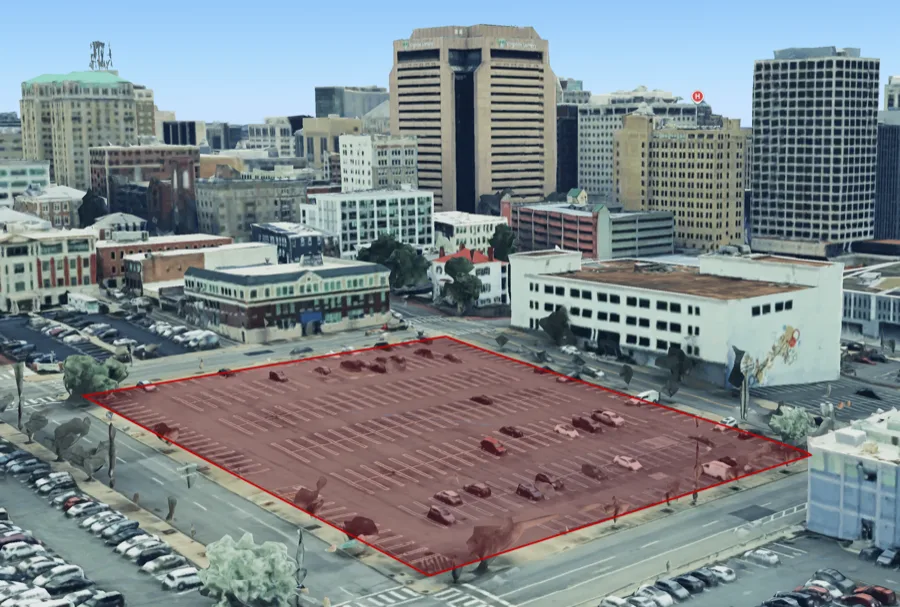
Property Taxes Aren't the Cause of Our Housing Crisis, They're a Solution to It
Shelterforce makes the case that split-rate property taxes can discourage land speculation and encourage housing, quoting Greg Miller of the Center for Land Economics on how Spokane is looking to a land value tax to spur development on vacant parcels and parking lots.
LPM
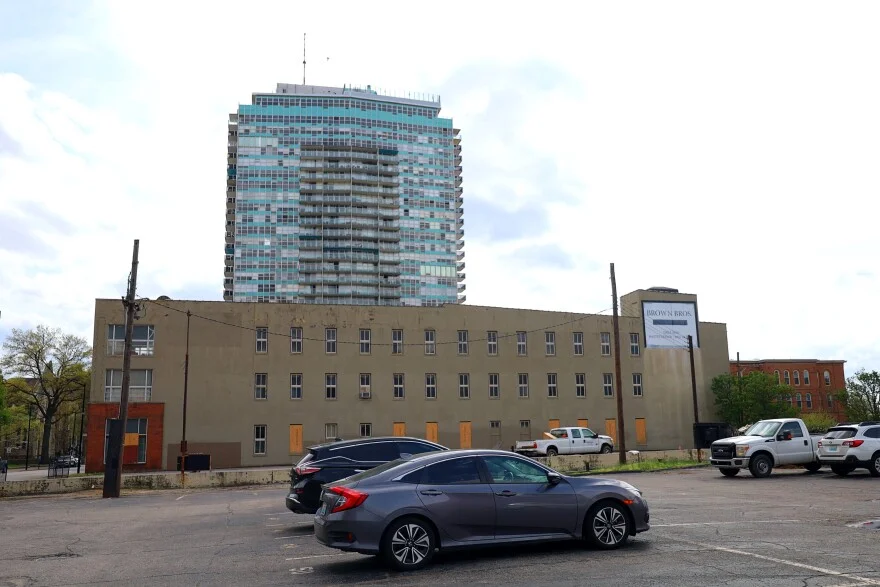
One idea for increasing development in downtown Louisville: More taxes on parking lots
LPM speaks with Greg Miller of the Center for Land Economics about Louisville's split-rate property tax proposal, which would shift taxes off buildings and onto parking lots and other underused land to spur downtown development.
The Edge
What if we taxed land more, buildings less?
The Edge speaks with Greg Miller of the Center for Land Economics about Kentucky's HB 607 and how taxing land more than buildings could support housing, curb speculation, and preserve green space.

San Francisco Chronicle
We're trying to fix California's tax system. This bill can get us started.
Lars Doucet and Greg Miller of the Center for Land Economics write in the San Francisco Chronicle arguing for unwinding Proposition 13 while remaining revenue neutral in response to Tom Steyer's recent proposals.
Baltimore Banner
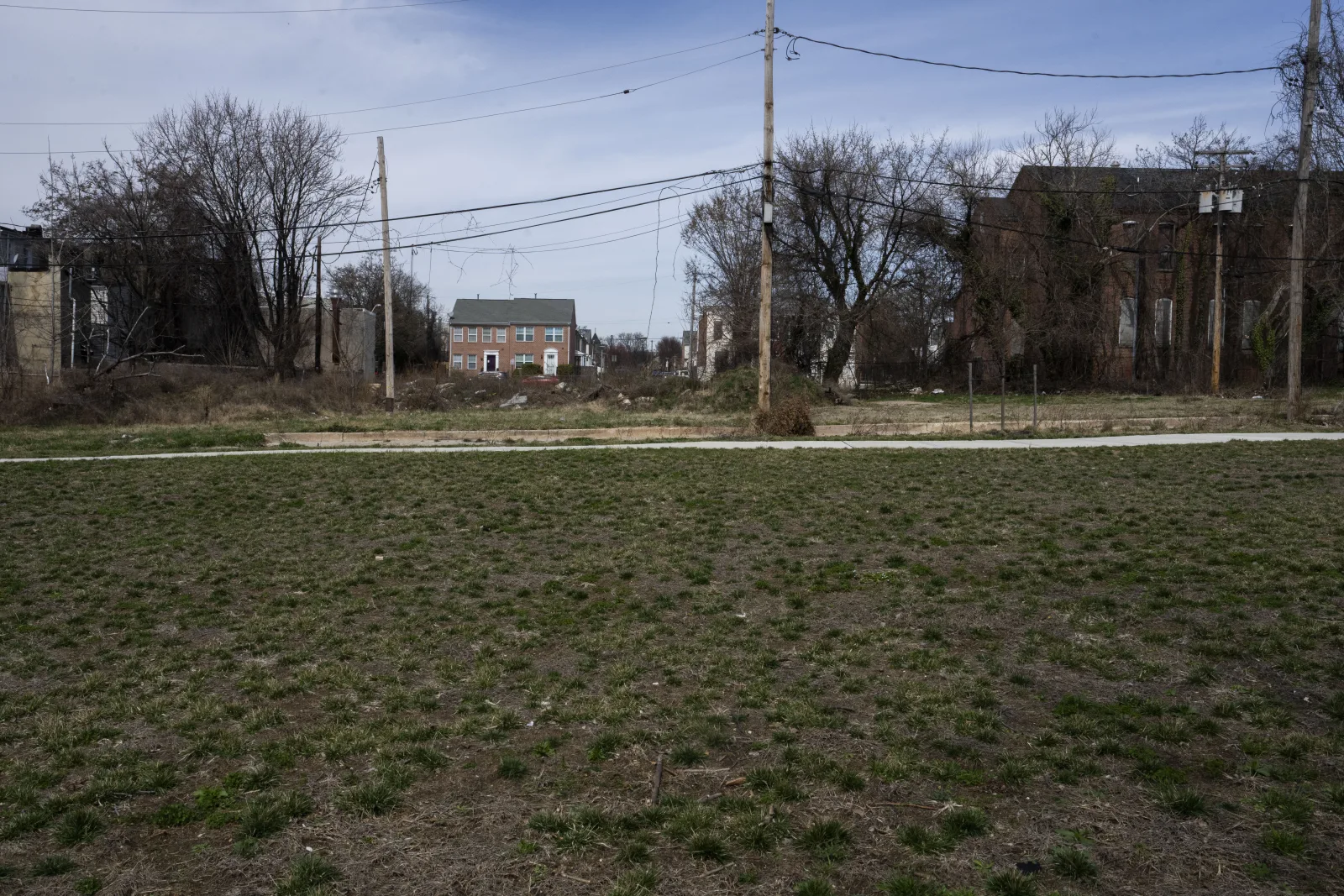
Baltimore's vacants are chronically undervalued — but things are improving
The Baltimore Banner covers the Center for Land Economics' report finding that Baltimore's vacant properties are assessed at a fraction of their market value, enabling speculation while shortchanging city revenue.
Central Current
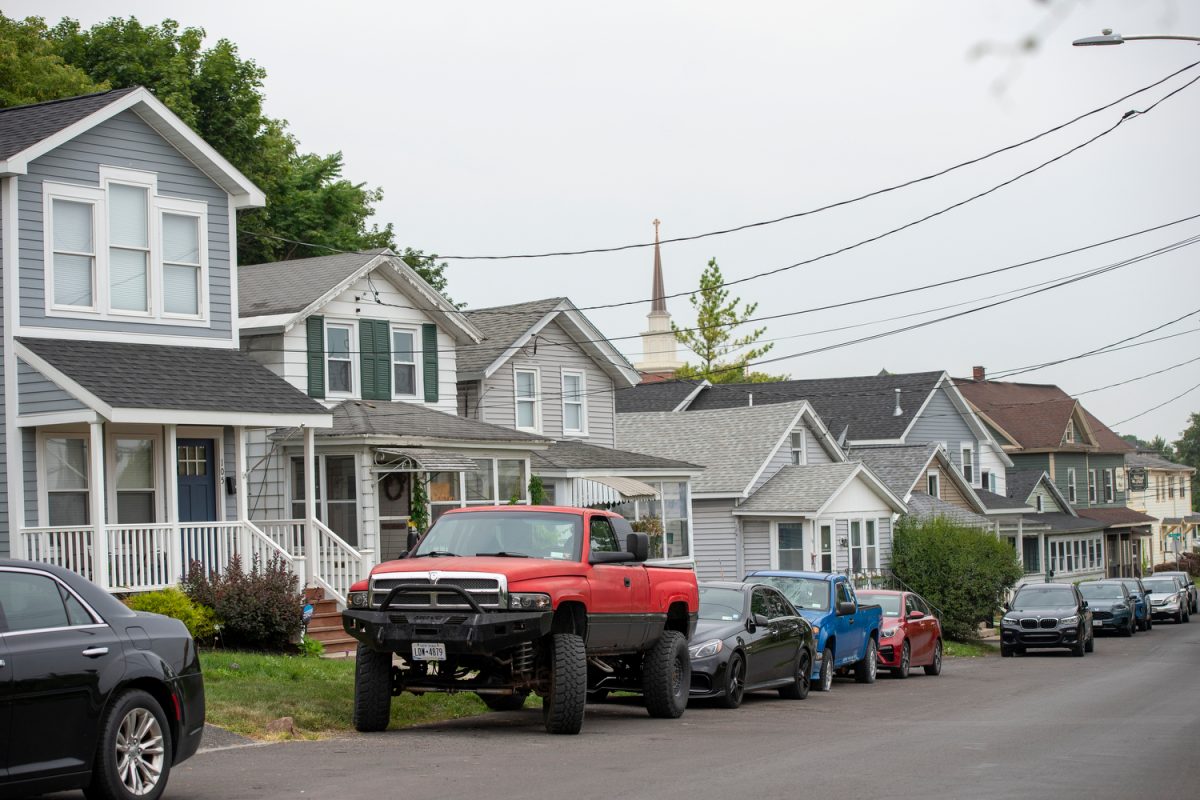
A State Bill Could Reshape Property Taxes in Syracuse — and Spur Development
City officials are exploring a land value tax shift informed by analysis from the Center for Land Economics showing tax relief for residents and stronger incentives to develop vacant and underused parcels.
Spokesman Review
Spokane leaders eye property tax reform to promote building
Spokane leaders are advancing a land-value tax pilot proposal informed by analysis from the Center for Land Economics, which would shift property taxes off new buildings and onto vacant lots and parking lots to curb speculation and accelerate housing development.

New America
Tax Land, Not Buildings, to Spur Development
Greg Miller writes in The Rooftop series for New America on the need to center property tax reform in discussions on housing supply. Cities should start by taxing land, not buildings.

Realtor
The Squares That Guarantee a Real Estate Win
Lars Doucet of the Center for Land Economics explains how Monopoly's Georgist origins mirror today's housing affordability crisis—and why land value taxes are gaining real-world momentum as a path toward housing abundance.
Realtor
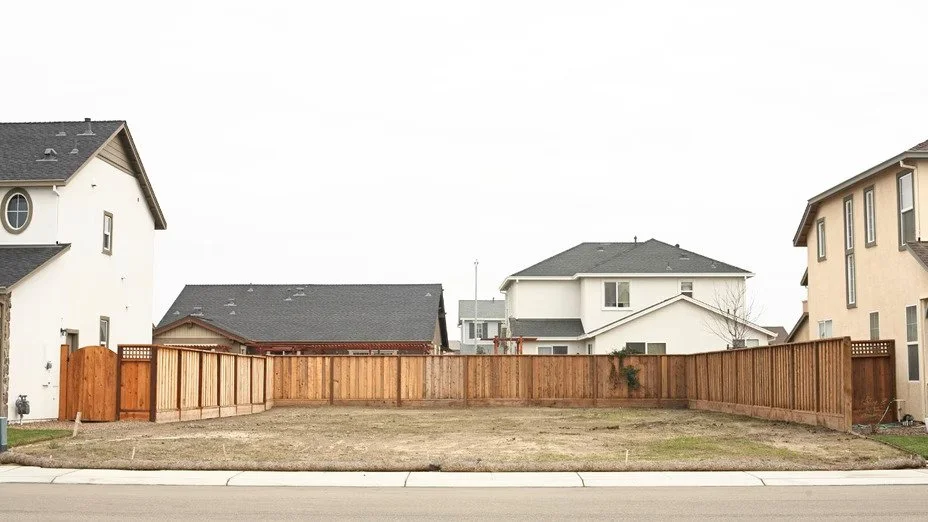
Could the Land Value Tax Solve the Housing Shortage?
Greg Miller of CLE makes the case that shifting property taxes from buildings onto land through a land value tax could unlock faster housing production.
News10
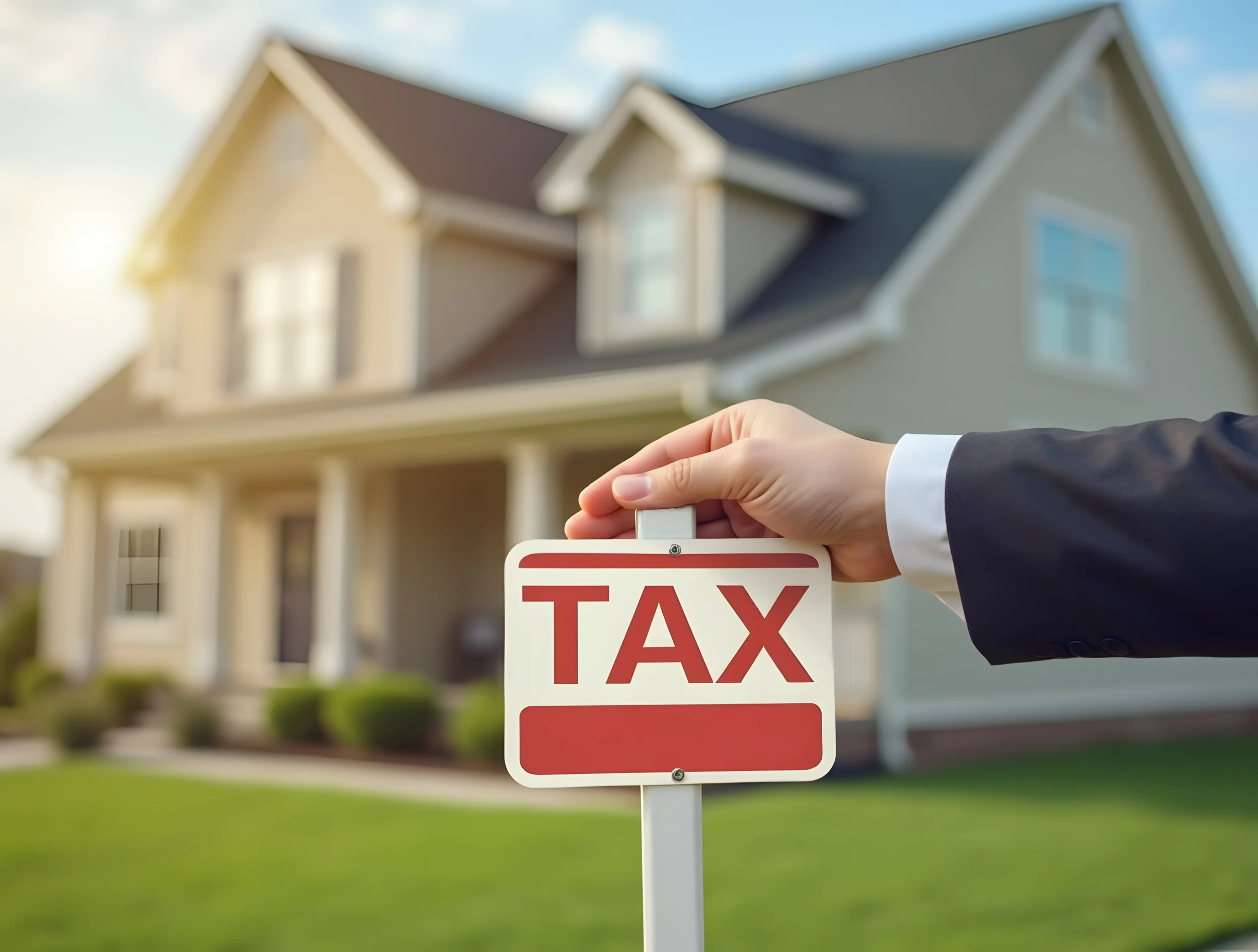
NY land value tax proposed to make housing affordable
New York legislators are proposing a land value tax pilot program, an idea backed by experts from the Center for Land Economics.
StrongTowns
Connecting Value Creation with Value Capture
Greg Miller presents at the Strong Towns National Gathering on the need to consider land value taxes to unlock the market toward infill development.
Baltimore Banner
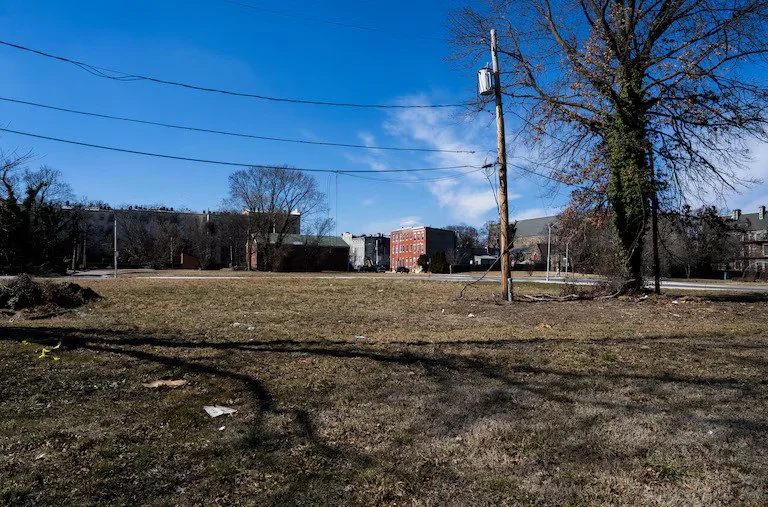
State chronically undervalues vacant land in Baltimore
The Baltimore Banner speaks with the Center for Land Economics covering CLE's report uncovering systematic undervaluation of vacant land in Baltimore.
Complex Systems
Tax the dirt, with Lars Doucet & Greg Miller
Patrick McKenzie (patio11) is joined by Lars Doucet and Greg Miller to discuss shifting taxes from buildings to land, assessment trade-offs, and practical paths to better local property tax policy.